Aircrew Parachute Harness/Pack – Vulcan & Victor Crew Seats: Military Flight Crew Equipment
Aircrew Parachute Harness/Pack – Vulcan & Victor Crew Seats: Military Flight Crew Equipment
Blog Article
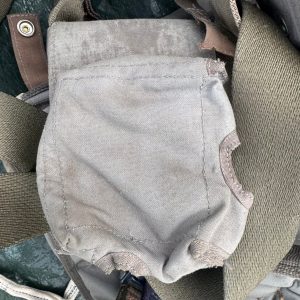
The Aircrew Parachute Harness/Pack – Vulcan & Victor Crew Seats may suit static display, preservation, restoration research, educational exhibits, or carefully evaluated specialist applications.
An Aviation Parachute Harness and Pilot Parachute Harness should be identified through labels, part numbers, manufacturing records, and configuration-specific information.
Every Aircraft Emergency Parachute Harness, Aircrew Safety Harness, Flight Crew Parachute Harness, Emergency Parachute Harness, or Military Aircrew Harness requires individual inspection because age, storage, wear, and modification can affect condition.
The Aviation Emergency Escape Harness, Parachute Harness Assembly, Aircraft Crew Safety Equipment, Aircrew Emergency Equipment, and Pilot Emergency Parachute System form part of a broader aviation safety category.
Aircraft Parachute Equipment offers the strongest value when condition, origin, markings, storage history, and intended sale status are disclosed transparently.
Exploring the Aircrew Harness and Pack Configuration
Detailed identification protects historical accuracy and reduces incorrect compatibility claims.
Complete package information helps buyers estimate restoration needs and historical value.
Military Harness Structural Features
Webbing can deteriorate through age, ultraviolet exposure, chemicals, moisture, abrasion, mildew, heat, repeated loading, and unsuitable storage.
Reinforced areas near attachment fittings and high-load junctions deserve particular attention.
Pilot Parachute Harness Fit and Adjustment
Shoulder, chest, waist, and leg adjustments may influence comfort, movement, load distribution, and secure positioning.
Missing keepers, retainers, pads, straps, or adjustment pieces can affect completeness and appearance.
Aircraft Emergency Parachute Harness Function
Historic equipment may contain obsolete, time-expired, modified, incomplete, or unverified components.
Attachment points should be checked for deformation, wear, corrosion, cracks, missing components, incorrect hardware, and evidence of loading or repair.
Maintaining Aircrew Harness Equipment
Military aircrew equipment can vary significantly between aircraft types, crew stations, and service periods.
The assembly should receive padded support that preserves its natural shape without stretching straps.
Military Parachute Harness Inspection
The condition of a Flight Crew Parachute Harness should be described using specific observations rather than broad terms such as excellent, serviceable, or ready for use.
Documented history can add substantial collector value.
Harness Hardware Evaluation
Inspection should begin with the harness laid on a clean, dry, nonabrasive surface under strong lighting.
Unknown contamination should be handled carefully and isolated from other equipment.
Military Aircrew Harness Heritage
Incomplete items can still provide useful reference, restoration, or educational value.
Conservation-focused presentation protects the Military Aircrew Harness for future study.
Evaluating Emergency Escape Gear
System-level research improves historical accuracy and buyer understanding.
Connections intended to interface with a crew seat should be photographed and measured carefully.
Harness and Pack Configuration
A pack exterior does not prove that a canopy, pilot chute, deployment components, or internal equipment remain present.
Unverified components should be identified as unknown rather than assigned an unsupported function.
Aircraft Crew Safety Equipment
Aircraft Crew Safety Equipment may include harnesses, parachute packs, helmets, oxygen equipment, survival gear, restraints, life preservers, and emergency signaling devices.
Conservation should prioritize reversible methods whenever practical.
Aircrew Emergency Equipment Applications
The item may have educational value even when it is incomplete or unsuitable for operational use.
Accurate classification improves the credibility of Aircrew Emergency Equipment sales.
Pilot Parachute Pack Integration
A previous inspection stamp does not establish current suitability.
Responsible handling protects the Pilot Emergency Parachute System and its provenance.
Preserving an Aviation Harness Assembly
The item should remain removable for inspection and future conservation.
Public displays should include clear information explaining the item’s aircraft association, approximate period, purpose, condition, and nonoperational status where appropriate.
Buying Historic Aircrew Equipment
A Flight Parachute Harness should be purchased according to intended use, identity, condition, completeness, provenance, size, configuration, and available documentation.
Original storage bags, manuals, inspection cards, or photographs can increase collector interest.
Aircraft Parachute Equipment Compatibility
Configuration research helps avoid historically inaccurate or technically unsuitable assemblies.
Historic photographs and technical references can guide arrangement when website available.
Inspecting the Aircrew Parachute Harness/Pack
The seller should disclose cut straps, missing fittings, corrosion, mildew, staining, odors, repairs, modifications, opened packs, and unknown internal contents.
- Determine whether the canopy, deployment components, release equipment, inspection cards, storage bag, manuals, or other items are included.
- Do not treat clean appearance, original labels, or previous inspection stamps as proof of current operational suitability.
- Retain purchase records, photographs, provenance documents, packaging, and condition reports with the collection or restoration file.
Long-Term Harness and Pack Care
The assembly should receive padded support so heavy hardware does not rest directly on aged webbing.
Silica products or humidity-control materials should not contact the harness directly.
Historic Parachute Equipment Presentation
Adhesives, staples, screws, drilling, cutting, or irreversible sewing should be avoided.
Interpretive material can explain the relationship between the harness, pack, crew seat, aircraft role, and emergency system.
Maintaining Historic Aircrew Parachute Equipment
Routine care may include careful dust removal, hardware observation, strap support, condition photography, and environmental monitoring.
Documentation should record every intervention, added component, cleaning method, and display modification.
Buying Historic Military Aircrew Parachute Equipment
When carefully inspected, stored, documented, conserved, and displayed, the Aircrew Parachute Harness/Pack – Vulcan & Victor Crew Seats can remain a valuable military aviation artifact.
The strongest purchasing decision begins with confirming part numbers, manufacturer, production period, crew-seat relationship, webbing condition, stitching, hardware, pack contents, repairs, storage history, provenance, and intended sale status.
Whether collectors search for an Aviation Safety Harness, Flight Parachute Harness, or Aircraft Parachute Equipment, historical value should remain separate from operational suitability.
With transparent condition reporting, complete photography, secure shipping, specialist review, and controlled handling, the equipment can support a professional Vulcan or Victor crew-seat project.
Report this page